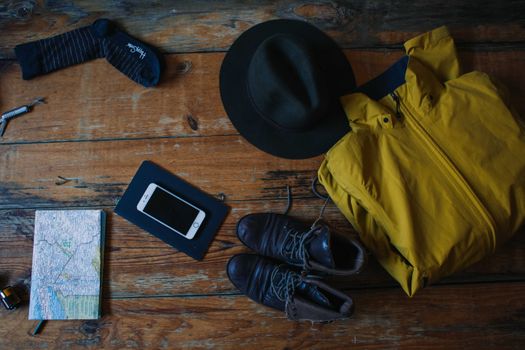
Shoulder-season weather swings within a single day more than peak-season weather usually does, and the fix isn't packing more — it's packing a system that layers well.
The three-layer core
| Layer | Purpose | Typical items |
|---|---|---|
| Base | Manages temperature next to skin | Moisture-wicking t-shirt or long-sleeve |
| Mid | Traps warmth | Light fleece, sweater, or packable insulated layer |
| Outer | Blocks wind and rain | Packable rain shell or windbreaker |
The point of this system isn't packing three items per day — it's packing a small number of pieces that combine into most of the temperature range you'll actually hit.
The shoulder-season packing list
- 2-3 base layer tops (mix short and long sleeve)
- 1 mid layer (fleece or light sweater)
- 1 packable rain/wind shell
- 1 pair of versatile pants that layer well (avoid anything too tight to add a base layer underneath)
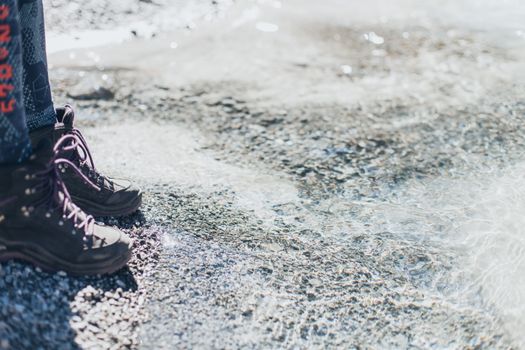
- 1 pair of shoulder-season-appropriate shoes — see the [footwear guide](/shoulder-season-footwear-guide/) for specifics
- A compact umbrella or a shell with a hood, not both
- A scarf or light buff — small, and useful across a wider temperature range than its size suggests
What to leave out
Heavy peak-winter coats and full peak-summer-only fabrics both tend to be dead weight in shoulder season — they cover the extremes, but shoulder season rarely hits either extreme for long. The layering system above covers a wider practical range with less bulk.
The goal of shoulder-season packing isn't preparing for every possible condition — it's building a small set of pieces that recombine to handle the range, which is the actual defining feature of the season.
A quick gut check before you zip the bag
If you can't name which layer combination handles your destination's typical daily low and typical daily high, using the historical data from the [weather-reading guide](/reading-a-shoulder-season-weather-window/), it's worth checking before you pack rather than guessing.
Choosing fabrics that actually layer well together
Not every combination of base, mid, and outer layers works well together in practice, even if each piece is individually good. A bulky mid layer paired with a snug base layer and a tightly-cut shell can restrict movement and trap moisture in ways that defeat the purpose of layering. The fabrics matter as much as the item categories: a moisture-wicking synthetic or merino base layer moves sweat away from skin rather than holding it, which keeps the whole system working even when you warm up during activity. A mid layer with some breathability (fleece over cotton-blend sweaters, for instance) avoids overheating when layered under a shell. And an outer shell with some venting — underarm zips, a looser cut around the body — lets the whole system regulate temperature actively rather than just trapping whatever heat happens to build up.
Adjusting the core system for colder shoulder windows
For shoulder-season trips leaning toward the colder end (late autumn, early spring, or higher-latitude destinations), the three-layer core can flex without needing to add a heavy coat. Swapping the light fleece mid layer for a packable insulated layer (synthetic or down) adds meaningfully more warmth for very little extra bulk, and it still packs down small enough to stuff in a daypack once temperatures rise later in the day. This single swap — rather than adding a fourth bulky item — is usually enough to extend the same core system comfortably into colder shoulder-season conditions.
A day-by-day layering routine
The practical value of a layering system shows up most in how it's used across a single day, not just in what's packed. A typical shoulder-season day might start with all three layers on for a cool morning, drop the outer shell by midday once temperatures rise, and put it back on for a cooler evening — with the mid layer coming on and off depending on activity level and direct sun exposure. Practicing this rotation mentally before the trip, rather than figuring it out on the go, makes it much easier to actually use the system well instead of just wearing whatever was on top of the bag that morning.
Packing the layering system efficiently
Because this system relies on a small number of pieces recombining rather than a large wardrobe, packing order matters. Keep the outer shell and mid layer easily accessible near the top of the bag or in an external pocket, since they're the pieces most likely to go on and off during a single day of activity — burying them under base layers and other items defeats some of the system's convenience. Rolling rather than folding the packable pieces also helps them compress smaller and stay wrinkle-resistant, which matters more for a shell or mid layer that might get pulled out and stuffed back in several times a day.
Testing the system before departure
The best way to confirm a layering system actually works is to wear the full combination — base, mid, and outer — around the house or on a local errand before the trip, rather than assembling it for the first time on the road. This quick test surfaces fit issues (a mid layer too bulky to fit comfortably under the shell), mobility problems, or temperature-regulation surprises that are far easier to fix at home than mid-trip. It takes ten minutes and reliably catches the kind of small layering-system problems that would otherwise only show up on the first genuinely cold or wet day of the actual trip.
Revisiting the list after the trip
After a shoulder-season trip, it's worth a quick five-minute review of which layers actually got used and which stayed in the bag the whole time. This kind of after-the-fact audit is one of the fastest ways to refine a personal layering system for the next trip, trimming items that turned out unnecessary and confirming which combinations genuinely earned their space.
Adapting the system for non-standard climates
Some shoulder-season destinations don't fit neatly into "cool and mild" — high-altitude deserts with large day-to-night temperature swings, or coastal areas with persistent wind, are two common examples. For these, the same three-layer logic still applies, but the specific items chosen for each layer should be selected with that destination's particular extremes in mind, rather than defaulting to a generic version of the system built for temperate climates.