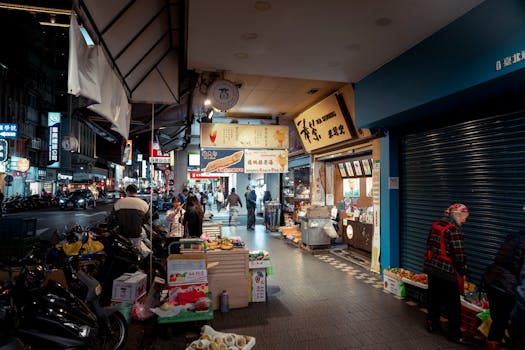
Reduced services change what's worth carrying with you day-to-day, in ways that have nothing to do with temperature or rain.
What tends to close or scale back
- Seasonal food vendors and kiosks near attractions
- Some visitor centers and their printed maps or guides
- Certain public restroom facilities tied to seasonal operations
- Smaller, single-owner tour operators or activity providers
What's worth packing because of it
- Snacks and a refillable water bottle. Fewer open food vendors near attractions means less reliance on being able to buy something nearby when you need it.
- Offline maps downloaded in advance. With some visitor centers reduced or closed, having navigation that doesn't depend on staffed help matters more.
- A basic first-aid or comfort kit. Smaller shoulder-season pharmacies or convenience stores may have shorter hours than you'd expect from a peak-season visit.
- A printed backup of key reservations. If a smaller operator has reduced staffing, having a printed confirmation avoids relying on a phone battery or spotty signal at a less-staffed location.
The planning habit that helps most
Before the trip, it's worth a quick check of whether the specific attractions on your list have reduced shoulder-season hours or availability — not just a general assumption that "it'll probably be fine." The [reduced-hours guide](/what-to-skip-vs-prioritize-reduced-hours/) covers how to prioritize once you know what's actually open.
Packing for reduced services isn't about packing more gear — it's about not assuming the casual conveniences of peak season (nearby snacks, staffed help, extended hours) will be there when you need them.
A short pre-trip check
A five-minute look at each planned stop's current shoulder-season hours, ideally within a week or two of departure rather than months ahead, catches most of the surprises this list is meant to prevent.
Building a "just in case" kit that doesn't add bulk
The goal with reduced-services packing isn't to prepare for every possible closure — that would mean carrying far more than any bag should hold. It's to cover the handful of small gaps that come up often enough to be predictable: a closed café near a trailhead, a shuttered visitor center that would normally have free wifi or printed info, a pharmacy that closes earlier than a peak-season traveler would expect. A genuinely small kit — a couple of snack bars, a 20-liter collapsible water bottle, a handful of basic first-aid items, and a portable phone charger — covers most of these gaps without adding meaningful weight or volume to the bag.
Cash matters more when services are reduced
Smaller, family-run businesses that stay open through the off-season are more likely to be cash-only or have unreliable card readers than the larger, more corporate options that tend to close for the season. Carrying a modest amount of local cash — enough for a meal or two and a taxi or transit fare — is a small hedge against arriving at one of the few open local options only to find the card reader down or unsupported.
Connectivity backups for reduced-staff destinations
Staffed information points are one of the first things to scale back in shoulder season, which shifts more of the navigation and information burden onto your phone. Downloading offline maps is the baseline, but it's worth going a step further for genuinely remote or reduced-service destinations: download offline translation packs if the local language isn't one you speak, save screenshots of key addresses and confirmation numbers rather than relying only on an app that needs a live connection, and consider a portable battery pack sized for at least one full extra charge if the trip involves long days away from reliable power.
Adjusting expectations, not just packing
Some of the best preparation here isn't a physical item at all — it's simply expecting service gaps rather than being surprised by them. Building slightly more time into each day's plan to account for a closed shortcut, a longer walk to the nearest open food option, or a slower response from a reduced-staff attraction reduces the stress of reduced services far more than any single item in a bag could.
What to skip carrying, even if it seems useful
It's easy to overcorrect and pack for every possible reduced-service scenario, which defeats the point of a light bag. Bulky backup gear for a specific closed attraction — a full picnic set in case a restaurant is closed, for instance — usually isn't worth the space compared to simply having a flexible enough plan to adapt on the day. The items worth carrying are the small, genuinely multi-purpose ones listed above; anything bulkier is better handled by building flexibility into the plan itself rather than trying to carry a solution for every scenario in advance.
A destination-specific research pass worth doing once
Rather than packing generically for "reduced services" in the abstract, spending fifteen minutes researching what specifically tends to close in your destination's shoulder season produces a more targeted, lighter kit than a generic worst-case list. A coastal town's reduced services look different from a mountain town's or a city's — a coastal destination might see food vendors and beach-adjacent facilities close, a mountain destination might see lift-served amenities and higher-elevation huts close, and a city might see extended-hours attractions revert to standard hours with little else changing. Tailoring the small kit to what's actually likely to be reduced at your specific destination, rather than packing for every category listed generically, keeps the bag light while still covering the gaps that are actually likely to come up.
Building the habit into every trip, not just this one
Once you've built the fifteen-minute destination-specific research habit into one shoulder-season trip, it's worth carrying it forward into future ones rather than treating it as a one-off task. Over several trips, this research pass gets faster as you learn what to look for and where to find it, and the resulting kit gets lighter and more targeted each time, since you're no longer packing generically for reduced services but for the specific, confirmed gaps a destination is likely to have.