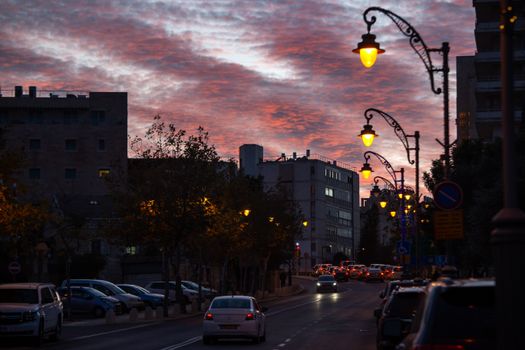
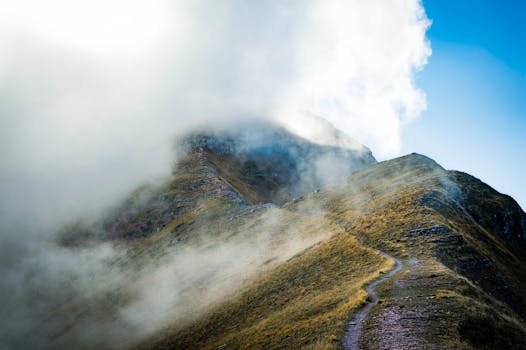
A road trip pace that works in peak summer daylight can run into real trouble in shoulder season, when the same route has meaningfully fewer usable driving hours.
The core adjustment: plan by daylight hours, not distance
A peak-summer road trip pace often gets planned around distance or driving time alone, because daylight isn't the limiting factor. In shoulder season, as covered in the [daylight guide](/shoulder-season-daylight-and-hours-changes/), it often is — and building the day around available daylight, then fitting distance into that window, tends to work better than the reverse.
A pacing template
| Day type | Peak-season driving hours | Shoulder-season adjustment |
|---|---|---|
| Long transit day | 6-8 hours comfortable | 4-6 hours, arrive with daylight to spare |
| Explore + drive mixed day | 3-4 hours driving | 2-3 hours driving, earlier stop |
| Mountain or rural route day | Standard pace | Reduce further — fewer services, less margin for error |
Why arriving with daylight to spare matters more here
Fewer open businesses and services in shoulder season make arriving after dark a bigger problem than it would be in peak season — finding fuel, food, or your accommodation is simply harder with fewer things open and fewer people around to ask. Building in a daylight-arrival buffer isn't about scenery; it's a practical safety margin.
Fuel and services planning
Rural and mountain routes in shoulder season are more likely to have seasonal fuel stations or roadside services closed. Planning fuel stops around confirmed year-round locations, rather than assuming the same stations that were open on a peak-season trip will be open now, avoids a genuinely stressful situation on longer rural legs.
The through-line for shoulder-season road trip pacing is the same as most shoulder-season planning: build the plan around what's actually reduced (daylight, services, transit options), rather than applying a peak-season pace and hoping it still fits.
Weather-related driving conditions to plan for
Beyond daylight, shoulder-season road conditions themselves often differ from peak summer in ways worth planning around directly. Wet leaves on rural roads in autumn create a genuinely slicker surface than dry pavement, especially on curves and under tree cover — a road that felt entirely routine in summer can require noticeably more caution in an autumn shoulder season. Early-season frost or black ice risk starts well before most travelers expect it, particularly at higher elevations or in shaded valley sections that stay colder longer than open, sun-exposed stretches of the same route. Checking a route's elevation profile alongside the weather forecast, rather than just the forecast for the trip's starting point, gives a more complete picture of what conditions to expect along the way.
Building rest stops around reduced daylight
With less daylight to work with, rest stop planning becomes more deliberate than in a peak-summer trip where stopping whenever felt right rarely caused a problem. It helps to identify two or three specific rest points in advance for any long driving day — ideally towns or service areas confirmed to have year-round, not seasonal, services — rather than assuming a suitable stop will appear naturally along the route. This matters most on rural or mountain routes where the gap between confirmed year-round services can be considerably longer than it would be in peak season, when even smaller seasonal stops are likely to be open.
Adjusting for solo vs. shared driving
A road trip pace built around a single driver needs more conservative daylight buffers than one with drivers who can rotate, since fatigue becomes a bigger factor in already-compressed shoulder-season driving windows. If driving solo, it's worth building in an even larger daylight margin than the general 25-35% reduction suggested above — arriving with an hour or more of daylight to spare, rather than cutting it close, gives a meaningful safety margin against both fatigue and the reduced services that make an unexpected delay harder to recover from in shoulder season.
A pre-departure route check worth doing every time
Before setting out on any shoulder-season road trip day, a quick check of the specific route's current conditions — not just the general regional forecast — catches problems a generic weather check would miss: a specific mountain pass's current status, a construction closure on a rural stretch, or a seasonal road that's already closed for the year despite still appearing open on an older map. This five-minute check, repeated each driving day rather than done once at the start of the trip, is one of the simplest ways to avoid the kind of shoulder-season surprise that a good pacing template alone can't fully prevent.
Bringing it together into one planning pass
A well-built shoulder-season road trip pacing plan combines all of the above into a single planning pass done before departure: daylight-hour-based daily driving limits, confirmed year-round rest and fuel stops, a buffer margin adjusted for solo or shared driving, and awareness of the specific weather and road-surface risks for the route's elevation profile. None of these individually is complicated, but skipping any one of them is usually where a shoulder-season road trip runs into the kind of avoidable trouble that a peak-summer trip, with its wider margins for error, would have absorbed without issue.
The overall takeaway
A shoulder-season road trip rewards planning around what's actually reduced, daylight, services, and sometimes road conditions, rather than simply compressing a peak-summer pace slightly. Treating these factors as the foundation of the plan, rather than an afterthought layered on top of a peak-season-style itinerary, is what separates a smooth shoulder-season road trip from one that runs into avoidable friction.
Adjusting for unfamiliar roads
Routes you haven't driven before deserve an extra margin beyond the general daylight-based reductions described above, since unfamiliarity itself slows things down, missed turns, unexpected stops, slower navigation. Building in this additional buffer for any unfamiliar leg of a shoulder-season road trip, on top of the daylight adjustment, further reduces the risk of running short on usable light before reaching the day's destination.
Even a route that looks short and simple on a map can take noticeably longer the first time it's actually driven, so it's worth planning as if it will.